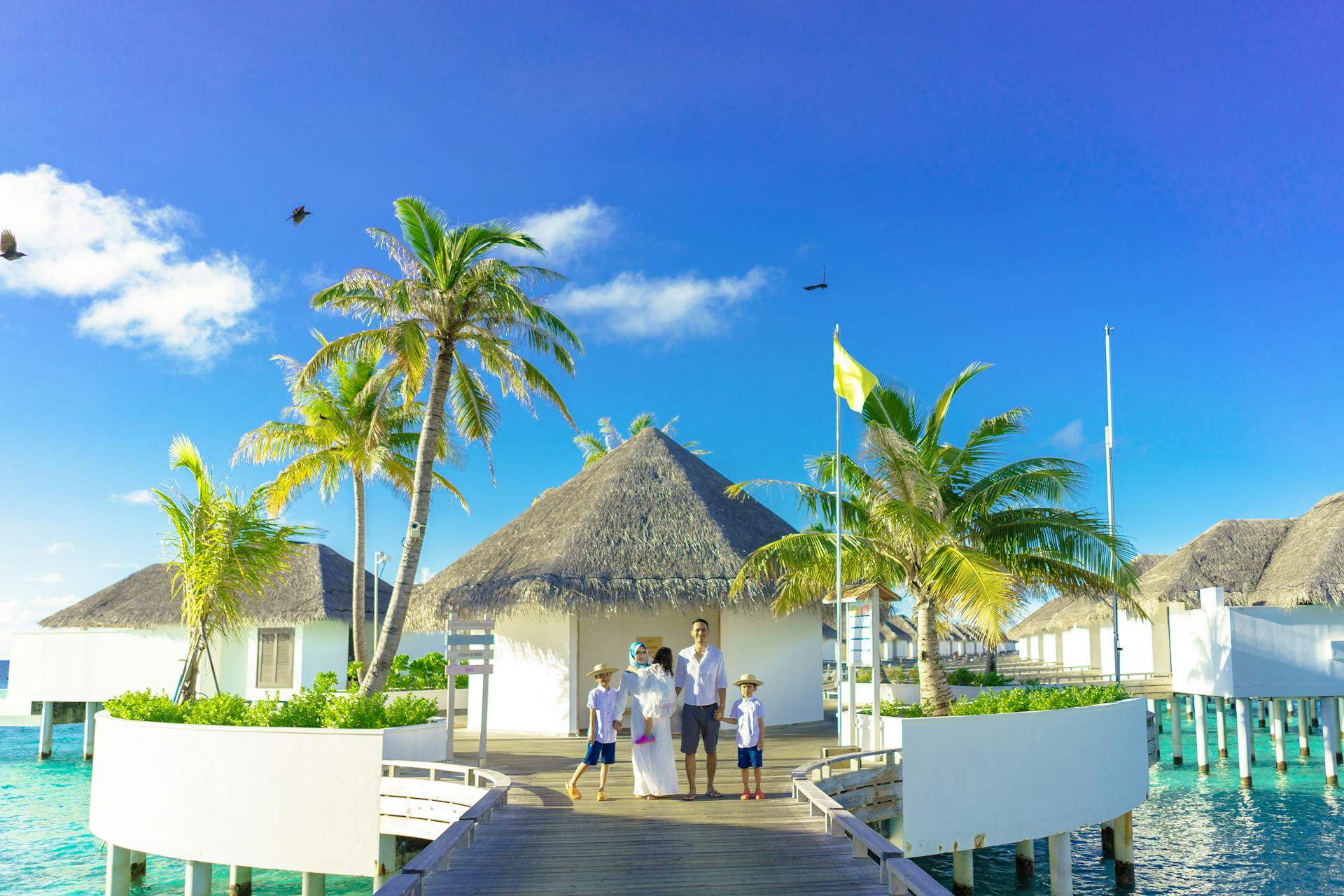
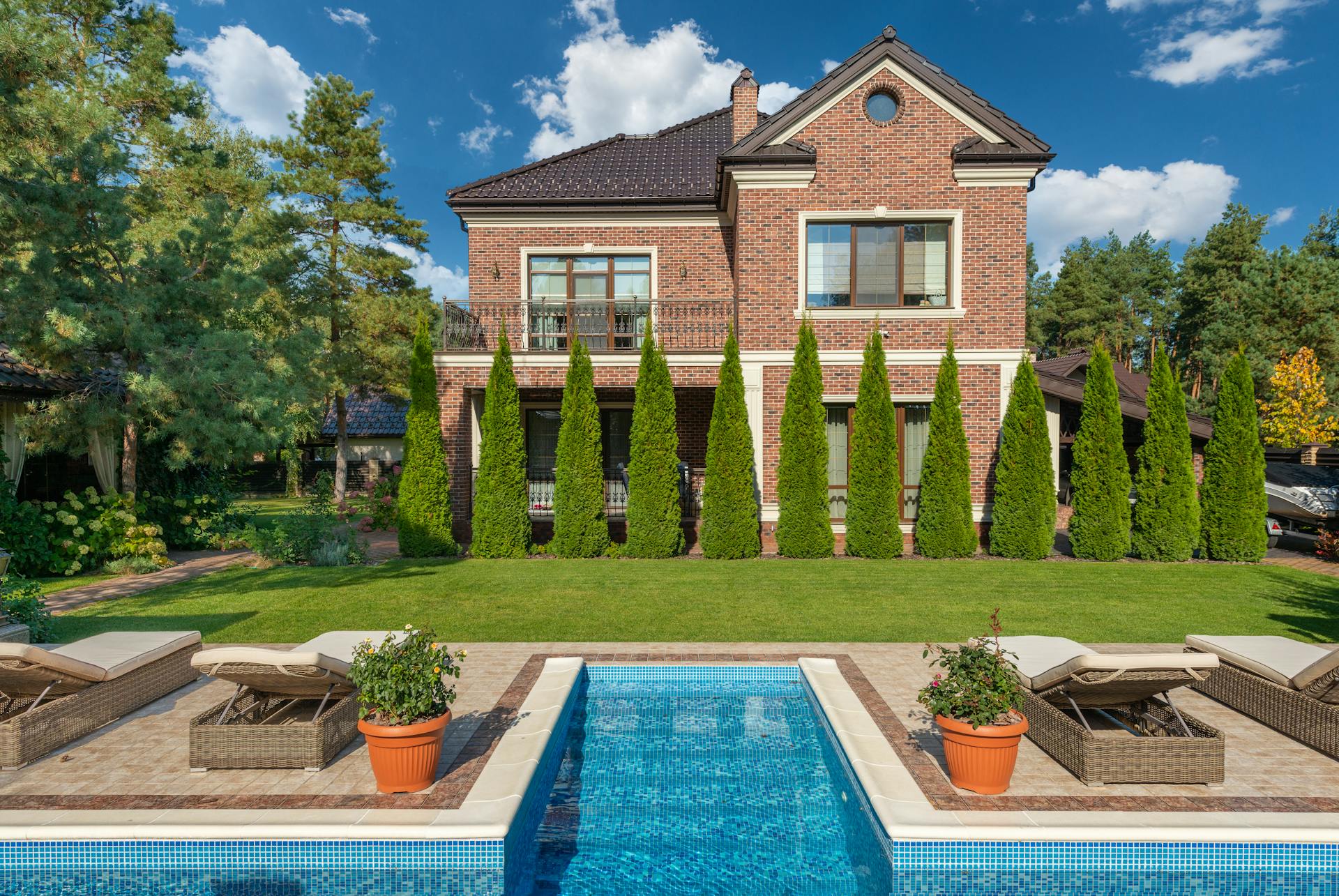
People who move to Hawaii from the mainland love to tell me about the pool they left behind. The annual ritual of draining it in October, blowing out the plumbing lines, covering it with a tarp, and crossing their fingers that freeze damage didn’t crack anything over the winter. Then in April, the reverse process. Removing the cover, refilling, rebalancing the chemistry, priming the pump, and hoping the heater still works.
In Hawaii, none of that happens. You swim in January. You swim in August. The pool is always open. That is genuinely one of the best things about owning a pool here.
But here’s what the real estate listing never mentions. Year-round swimming means year-round maintenance. Year-round chemical consumption. Year-round equipment wear. Year-round algae pressure. Your pool never hibernates, and neither does the work that comes with it. After 26 years of servicing pools across East Honolulu, I can tell you that the hidden costs of a perpetual pool season catch more homeowners off guard than anything else.
The Obvious Advantages
Let’s give credit where it’s due. Owning a pool in Hawaii has real, tangible benefits that mainland pool owners don’t get.
No winterizing costs. Opening and closing a pool on the mainland typically costs $300 to $600 per year if you hire it out. In Hawaii, that expense simply doesn’t exist. No draining, no antifreeze in the plumbing, no cover installation, no spring startup service.
No freeze damage. Cracked pipes, split pump housings, damaged heater cores. Freeze damage is one of the most expensive pool repairs on the mainland, and it’s completely preventable here because it never freezes. You’ll never lose a $2,000 pump motor to a cold snap.
More use, more value. A pool you swim in 12 months out of the year delivers more return on investment than one you use for five or six months. Per-swim cost, if you want to think about it that way, is roughly half what mainland owners pay for the same pool.
No shocking restart. Mainland pools that sit idle for months develop biofilm in the plumbing, stagnant water chemistry issues, and scale buildup on surfaces. The spring startup process is basically a mini-renovation each year. Hawaii pools stay circulating and clean year-round, so you never face that ugly restart.
The Hidden Challenges
Now the other side. These are the costs and realities that don’t show up in the “owning a pool in paradise” fantasy.
Equipment Never Gets a Break
On the mainland, a pool pump runs for about seven months out of twelve. In Hawaii, it runs every single day. That means your pump, filter, heater, salt cell, automation system, and every other component is accumulating wear at 1.7 times the rate of a mainland equivalent.
A pump motor rated for 50,000 hours reaches that number in about eight years of Hawaii service. The same motor on the mainland, running seven months per year, lasts roughly 13 years. Manufacturers don’t usually distinguish between these scenarios in their warranties, which creates an expectation gap. People see “8 to 12 year lifespan” on a pump and assume they’ll get 12. In Hawaii, five to eight years is realistic.
This is why equipment failures happen faster in Hawaii and why budgeting for accelerated replacement is important. Salt air compounds the problem, but even in fully inland locations, the sheer run time takes its toll.
Chemical Consumption Is Relentless
Chlorine doesn’t take a winter break in Hawaii. UV radiation destroys it year-round. Organic debris feeds algae year-round. Warm water temperatures accelerate chlorine consumption year-round. A mainland pool owner might go through 40 pounds of chlorine in a season. A Hawaii pool owner will go through 80 to 100 pounds or more in the same timeframe.
And chlorine isn’t the only chemical with higher consumption. Muriatic acid for pH correction, soda ash for alkalinity adjustment, cyanuric acid to protect chlorine from UV, sequestrants if you have metal issues, clarifiers if you have fine particle problems. The monthly chemical spend for a Hawaii pool runs 30 to 50 percent higher than the same pool in a mainland climate with seasonal use.
Algae Pressure Never Lets Up
This is the big one. Mainland pool owners deal with algae risk from roughly May through September, when water is warm enough and sunlight is strong enough to support growth. In Hawaii, conditions favor algae 365 days a year. Water temperatures on Oahu rarely drop below 75 degrees even in January. Sunlight is strong enough to fuel photosynthesis every month. Humidity keeps the air moist. Organic debris from tropical vegetation provides a constant nutrient supply.
Miss a week of maintenance on the mainland in October? Probably fine. The water is cooling down, chlorine demand is low, and algae is struggling to grow. Miss a week in Hawaii in any month? You’re at risk. I’ve treated green pool recoveries in December and January that were just as severe as any summer case. The season doesn’t matter here. Consistency does.
Surfaces Wear Faster
Pool plaster, pebble finishes, and tile grout degrade from chemical exposure over time. That degradation happens year-round in Hawaii, while mainland pools get a reprieve during the off-season. Plaster that lasts 12 to 15 years on the mainland might last 8 to 10 here. Grout needs resealing more frequently. Coping materials face constant UV and chemical exposure without any seasonal break.
Month by Month: What Actually Changes in Hawaii
People assume that because Hawaii doesn’t have dramatic seasons, nothing changes. That’s not true. There are real shifts throughout the year that affect pool care, even if they’re subtler than mainland temperature swings.
January Through March
Water temperatures hit their annual low, typically 74 to 77 degrees. For most people, that’s still comfortable enough to swim without a heater. For others, it’s cool enough that they use the pool less, which creates its own problem: lower bather load means less attention paid to the pool, but algae and chemistry don’t care about your swimming frequency.
This is also peak Kona wind season. Kona wind events bring vog, dust, and acidic particle deposition that requires extra chemical attention. Wet season continues through March, so rain events are more frequent and more intense. Storm recovery is a real possibility.
Chemical adjustments: slightly lower chlorine demand because of cooler water and shorter days, but increased pH monitoring during Kona events. Don’t cut corners on maintenance just because the water is cooler.
April Through June
The transition into dry season. Rain frequency drops. Trade winds become more consistent and stronger. Evaporation rates increase. Water temperatures climb into the low 80s.
This is when the concentration effect from evaporation starts mattering. As water evaporates faster, calcium hardness and CYA creep up if you’re not topping off regularly. Trade winds affect your pool chemistry in ways most owners don’t anticipate, from pH drift to debris patterns to accelerated water loss.
Chemical adjustments: increase chlorine slightly as water warms, start checking water level twice weekly, monitor CYA to prevent over-concentration.
July Through September
Peak everything. Hottest water temperatures (82 to 86 degrees), strongest UV, most evaporation, highest bather load from summer visitors and school break, maximum algae pressure. This is the period when maintenance mistakes are least forgiving.
Sunscreen is a major chlorine consumer during these months. A pool party with six or eight swimmers wearing sunscreen can crash free chlorine in a couple of hours. Oils from sunscreen also gum up filter elements and create a film on the water surface.
Chemical adjustments: highest chlorine demand of the year, most frequent filter cleaning, water level management is critical. Consider running the pump an extra hour or two.
October Through December
Wet season arrives. Rain events become more frequent, bringing pH drops from acidic rainwater and chlorine dilution. Post-storm recovery becomes a real part of the routine. The first Kona wind events of the season typically hit in October or November.
Water temperatures begin a slow decline but remain in the upper 70s through December. Algae pressure drops slightly but never enough to relax.
Chemical adjustments: more frequent testing after rain, keep shock treatment supplies on hand, transition from evaporation management to dilution management.
The Real Cost Comparison
Let’s put real numbers on what year-round pool ownership costs in Hawaii versus the mainland. These are rough figures based on my experience and typical East Honolulu clients.
Monthly chemical spend. Mainland seasonal pool: $50 to $80 per month during the active season, zero during winter. Hawaii: $70 to $120 per month, every month. Annual difference: roughly $300 to $600 more in Hawaii.
Annual equipment repair budget. Mainland: $200 to $500 per year for a well-maintained pool with seasonal use. Hawaii: $400 to $1,000 per year due to accelerated wear. For a detailed breakdown, see our pool service cost guide.
Professional weekly service. Mainland: $150 to $250 per month for seven months (about $1,050 to $1,750 per year). Hawaii: $250 to $400 per month for twelve months ($3,000 to $4,800 per year). The annual cost is roughly double, and that math surprises a lot of newcomers.
Equipment replacement. Pumps, filters, heaters, and salt cells all have shorter effective lifespans in Hawaii. Over a 10-year ownership period, Hawaii pool owners typically spend 40 to 60 percent more on equipment replacement than mainland owners.
The total cost of ownership for a pool in Hawaii runs roughly $6,000 to $10,000 per year when you factor in chemicals, service, equipment, and energy. On the mainland with seasonal use, the same pool costs $3,500 to $6,000 per year. Hawaii costs more, but you also get twice the swimming time.
How Koko Head Adjusts Service Seasonally
Even though we service pools year-round, we don’t do exactly the same thing every month. Our service adapts to what the season demands.
During wet season, we increase chemical testing frequency, keep extra shock on our trucks, and pay closer attention to water level management after storms. We monitor pH more closely during Kona wind events.
During dry season, we shift focus to evaporation management, filter cleaning frequency increases because of higher debris load from trade winds, and we bump chlorine dosing slightly to match higher water temperatures and UV levels.
During peak summer, we recommend our clients run pumps an extra hour or two and we adjust our chemical dosing upward. We also proactively clean filters more often because the combination of debris, sunscreen, and higher bather loads clogs them faster.
For year-round spa care, the adjustments are even more pronounced because smaller water volumes react to environmental changes faster.
Why “Set It and Forget It” Doesn’t Work Here
The biggest mistake I see from new Hawaii homeowners is treating their pool like a static system. They find a chemical routine that works in March and assume it’ll work in August. They set the pump timer once and never adjust it. They clean the filter on a fixed schedule regardless of conditions.
That approach might survive on the mainland where the season is short and conditions are relatively stable during the swimming months. In Hawaii, conditions shift enough throughout the year that your maintenance routine needs to flex with them.
Test frequently. Adjust dosing based on current conditions, not a fixed schedule. Clean the filter based on pressure, not the calendar. Run the pump based on water temperature and bather load, not a single timer setting. The homeowners who do this have consistently clear water and lower long-term costs than the ones who try to set a fixed routine.
For the complete picture on how to manage pool care in Hawaii’s climate across all conditions, our ultimate guide to pool maintenance in Hawaii covers chemistry, equipment, algae prevention, energy savings, and seasonal adjustments in detail.
If year-round maintenance sounds like more than you want to handle, that’s what we’re here for. Koko Head Pool Service has been keeping East Honolulu pools clear through every season since 1995. Get a quote and let us handle the hidden side of Hawaii’s year-round pool season.