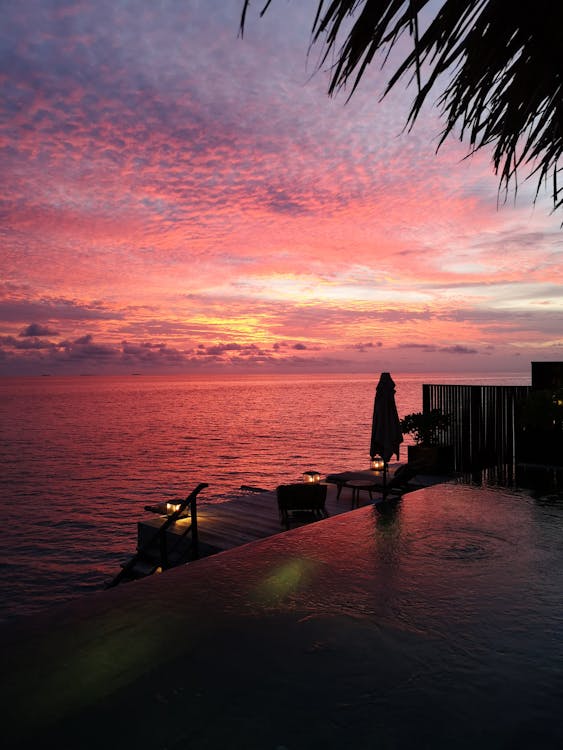
There’s something magical about a night swim in Hawaii. The trade winds have cooled the air, the stars are out, and the water is still warm from the afternoon sun. For my clients across East Honolulu — from Hawaii Kai to Diamond Head — evening pool time is often the highlight of their day.
I’m Paul Costello, and I’ve been maintaining residential pools in East Honolulu since 2000. Over 26 years, I’ve helped hundreds of homeowners transform their pools into nighttime retreats. The difference between a pool that’s just “usable” after dark and one that feels like a private resort comes down to preparation — and most of it is easier (and more affordable) than you’d think.
Here’s everything you need to know to make your pool night-swim ready.
Why Night Swimming Is So Popular in Hawaii
Hawaii’s climate makes evening pool use practical year-round in a way that most mainland homeowners can only dream about. Even in January, nighttime temperatures in East Honolulu rarely drop below the mid-60s. Add a pool heater to the equation, and you’ve got comfortable swimming conditions 365 days a year.
But beyond the weather, night swimming in Hawaii has some genuine advantages:
- No UV exposure — zero sunscreen required, zero sunburn risk
- Cooler air temperatures — especially welcome after a hot Kona wind day
- Privacy — fewer neighbors out, quieter surroundings, more relaxing atmosphere
- Stress relief — floating under the stars after a long workday is genuinely therapeutic
- Extended pool use — you get more value from your pool investment when you can use it day and night
For families with busy schedules, evening swims are often the only practical pool time during the week. Making your pool night-swim ready means you actually get to use the pool you’re paying to maintain.
Pool Lighting: The Foundation of Every Night Swim
Lighting is the single most important upgrade for night swimming. Without proper illumination, evening pool use goes from relaxing to dangerous. You need to see the bottom of the pool, the deck edges, and the water surface clearly.
Underwater LED Lights
The most impactful upgrade. Modern LED pool lights provide brilliant illumination, come in color-changing options, and last 20,000–30,000 hours. Professional installation is required.
Deck & Pathway Lights
Low-profile fixtures along the pool deck and walkways prevent trips and falls on wet surfaces. Solar-powered options eliminate wiring costs entirely.
Floating Solar Lights
Affordable decorative option that charges during the day and glows at night. Great for ambiance, though not sufficient as your only light source.
Landscape Lighting
Uplighting on palms, accent lights in garden beds, and string lights across the lanai create a resort-like atmosphere around the entire pool area.
What to Prioritize
If you’re starting from scratch, here’s the order I recommend to my clients:
- Underwater pool lights first — this is a safety essential, not a luxury. You need to see the bottom of the pool
- Deck edge lighting second — prevents trips and falls on wet surfaces, especially important for older family members
- Pathway lights third — illuminate the route from the house to the pool
- Decorative/ambient lighting last — the fun stuff that transforms the vibe
Hawaii electricity costs matter: With some of the highest electricity rates in the nation (averaging $0.35–$0.45/kWh), LED pool lights aren't just better — they're practically mandatory. A single LED pool light uses about 40 watts compared to 300–500 watts for an incandescent. Over a year of nightly use, that's hundreds of dollars in savings on your HECO bill. For more ways to cut your pool's electricity costs, see my tips to save money on your pool.
LED Color-Changing Lights
Modern LED pool lights offer programmable color options — cycling through blues, greens, purples, and more. While it might sound gimmicky, I’ve had clients tell me this single upgrade made their pool feel like a completely different space at night. Many models connect to your phone for easy control.
Color-changing LEDs cost only slightly more than single-color white LEDs, and the ambiance upgrade is significant. If you’re already investing in new pool lights, go with the color option — our pool LED lighting upgrade guide covers everything from fixture selection to installation costs. LED lighting is also one of the easiest eco-friendly pool upgrades you can make.
Heating Your Pool for Evening Comfort
Even in Hawaii, nighttime air temperatures can drop 15–20 degrees below daytime highs. When you combine cooler air with the natural heat loss that happens after sunset, an unheated pool can feel uncomfortably cool — especially for children and older swimmers.
Most Popular in Hawaii
Lowest Operating Cost
For night swimming specifically, a heat pump is usually the better choice. Solar heaters work great during the day, but they can’t add heat after the sun goes down. A heat pump maintains your target temperature regardless of the time.
My Recommendation
Set your heat pump to maintain 80–82°F if you swim at night regularly. Running it consistently is actually more energy-efficient (and easier on the equipment) than heating from cold each time. Pair it with a pool cover during the day to retain solar heat gain and reduce your heater’s workload by up to 60%.
For more on pool heater options, check out our guide on why you should consider a pool heater.
Insect Control Around Your Pool
This is the one thing mainland pool guides get wrong about Hawaii. Our insect situation is different — we deal with mosquitoes year-round, not just in summer. And pool lighting at night is a magnet for bugs.
Here’s what actually works poolside:
Place them around the pool perimeter, not just in one spot. The smoke creates a barrier that mosquitoes avoid. Tiki torches also add great ambiance to the space.
Plant these in your poolside landscaping for a natural, continuous repellent effect. They thrive in Hawaii's climate and look beautiful around a pool area.
Mosquitoes breed in stagnant water. Check plant saucers, gutters, birdbaths, and any containers that collect rainwater within 50 feet of your pool area.
Mosquitoes are weak flyers. A couple of oscillating fans on your pool deck create enough air movement to keep them away — and the breeze feels great on warm nights.
Position them 15–20 feet from the pool to draw insects away from the swimming area, not toward it. Never hang one directly over the water.
What doesn’t work well poolside: Chemical spray repellents wash off immediately in the water and can affect your pool chemistry. DEET-based products especially should be kept away from pool water. Stick with the natural barrier methods above.
For tips on the best plants to use (and avoid) around your pool, see our guide on swimming pool landscaping.
Safety Essentials for Night Swimming
Night swimming carries inherent risks that daytime swimming doesn’t. Reduced visibility, potential for drowning going unnoticed, and slip hazards on wet surfaces all increase after dark. Here’s how to mitigate them:
This is the number one rule. Always have someone else present — either in the water with you or on the deck watching. If something goes wrong in the dark, you need someone who can respond immediately or call for help. Share your swim schedule with a family member or neighbor.
You should be able to see the entire pool bottom from the deck. If any area of the pool is in shadow, you don't have enough lighting. This is critical for spotting someone in distress. Test your lighting setup before your first night swim — stand at each corner of the deck and check for blind spots.
A reaching pole, ring buoy, and phone should be within arm's reach of the pool at all times. At night, make sure you know exactly where they are without having to search. Consider glow-in-the-dark markers on your rescue equipment.
Depth perception is compromised in low light. Even experienced swimmers misjudge distances at night. Stick to feet-first entries only. This applies to everyone, including adults — most nighttime pool injuries I hear about from my clients involve diving.
A poolside camera provides an extra layer of safety. It monitors for unauthorized access (especially important if you have children), records any incidents, and lets you share a live feed with a friend or neighbor during solo swims. Many modern systems offer motion alerts directly to your phone.
Alcohol and night swimming don't mix. This deserves its own callout because it's the leading factor in adult drowning incidents. Alcohol impairs balance, coordination, and judgment — all of which are already compromised by reduced visibility at night. If you're hosting an evening pool party, set clear expectations about alcohol consumption and water activities.
For more on keeping your pool area safe, read our guide on pool safety barriers, Hawaii pool fence laws, and pool pet safety guidelines.
Creating the Perfect Ambiance
Once the practical elements are handled — lighting, heating, insects, safety — it’s time to make the experience truly special. Hawaii’s natural beauty does a lot of the work for you, but a few touches take it further:
Sound
- A waterproof Bluetooth speaker with relaxing music or ocean sounds
- A water feature or fountain adds natural white noise
- Keep volume low enough to hear conversation and any sounds from the water
Comfort
- Stack fresh towels in a waterproof bin near the pool
- Keep a robe or coverup nearby — you’ll cool off quickly between swims
- Outdoor cushions and loungers positioned to enjoy the pool view even when you’re not swimming
Refreshments
- A small outdoor bar cart or cooler with cold water, sparkling water, and non-alcoholic beverages
- Fresh tropical fruit — mango, pineapple, lilikoi — is the perfect poolside snack
- If you’re serving alcohol, designate a non-drinking water watcher
The Hawaii Touch
- Tiki torches not only repel insects — they create authentic island atmosphere
- Plumeria and pikake plants near the pool add natural fragrance to evening air (just keep them far enough that flowers don’t fall in the pool)
- Turn off your phone. Seriously. The whole point of a night swim in Hawaii is to disconnect
Pool Maintenance for Night Swimmers
If you’re using your pool regularly in the evening, your maintenance routine needs a couple of adjustments:
- Run your pump during the day — your filtration cycle should complete before your evening swim so the water is freshly circulated and clean
- Skim before your swim — a quick 2-minute skim with a leaf net removes any debris that accumulated during the day
- Check chemistry weekly — increased pool use means increased chemical demand. Stay on top of your pool chemistry to keep the water balanced
- Clean the pool lights — calcium buildup on underwater light lenses reduces brightness over time. Wipe them down during your regular maintenance
- Inspect the deck regularly — algae growth on pool decks is a major slip hazard, especially on wet surfaces at night. Keep it clean
If you’d rather spend your evenings swimming instead of testing and balancing, that’s what we’re here for. Our weekly pool maintenance service keeps your water clean, balanced, and ready for evening use — no effort on your part.
Frequently Asked Questions
Is it safe to swim at night?
Yes, as long as you take proper precautions. Adequate lighting (you should see the entire pool bottom), a swim buddy, accessible rescue equipment, and a no-diving rule are the essentials. Avoid alcohol before or during night swimming, and make sure someone on the deck knows you're in the water.
How much does it cost to add LED lights to my pool?
Professional installation of an LED pool light typically runs $700–$1,500 per light. Most residential pools need 1–3 lights for adequate coverage. The LED bulbs themselves last 10–20 years, so the investment pays for itself over time — especially compared to incandescent lights that burn out frequently and use 75–80% more electricity.
What temperature should my pool be for night swimming?
Most people find 80–82°F ideal for comfortable night swimming. In Hawaii, an unheated pool will typically sit around 76–80°F depending on the season and recent sun exposure. A heat pump can maintain your target temperature for $50–$150/month. Start heating 2–3 hours before your planned swim for best results.
How do I keep mosquitoes away from my pool at night?
Use a combination approach: citronella torches around the pool perimeter, outdoor fans to disrupt their flight path, lemongrass plantings in the surrounding landscape, and elimination of any standing water within 50 feet. Avoid chemical sprays near the pool — they wash off in the water and affect pool chemistry.
Do I need a pool cover if I swim at night?
A pool cover during the day helps retain heat from the sun, reducing the workload on your heater and saving you money. Remove it before your evening swim and replace it when you're done. Covers also reduce evaporation, debris accumulation, and chemical loss — saving you money on all fronts.
Can I install pool lights myself?
Floating and solar-powered decorative lights are easy DIY installations. However, underwater pool lights and hardwired deck fixtures should always be installed by a licensed electrician. Pool electrical work involves water and high voltage — it's not a DIY project. Improper installation creates serious electrocution risks.
Your Night Swim Awaits
A well-prepared pool transforms your evenings. Whether it’s a solo float after a long day, a family swim before bedtime, or hosting friends under the stars, night swimming in Hawaii is one of the true luxuries of island living.
Start with proper lighting and work your way through the list. You’ll be surprised how quickly your pool becomes your favorite room in the house — even though it doesn’t have a roof.
Get Your Pool Night-Swim Ready
Clean water, balanced chemicals, and working equipment are the foundation of every great night swim. Let Koko Head Pool Service handle the maintenance so your only job is showing up with a towel. Serving Hawaii Kai, Diamond Head, and all of East Honolulu since 1995.
Get a Free Quote