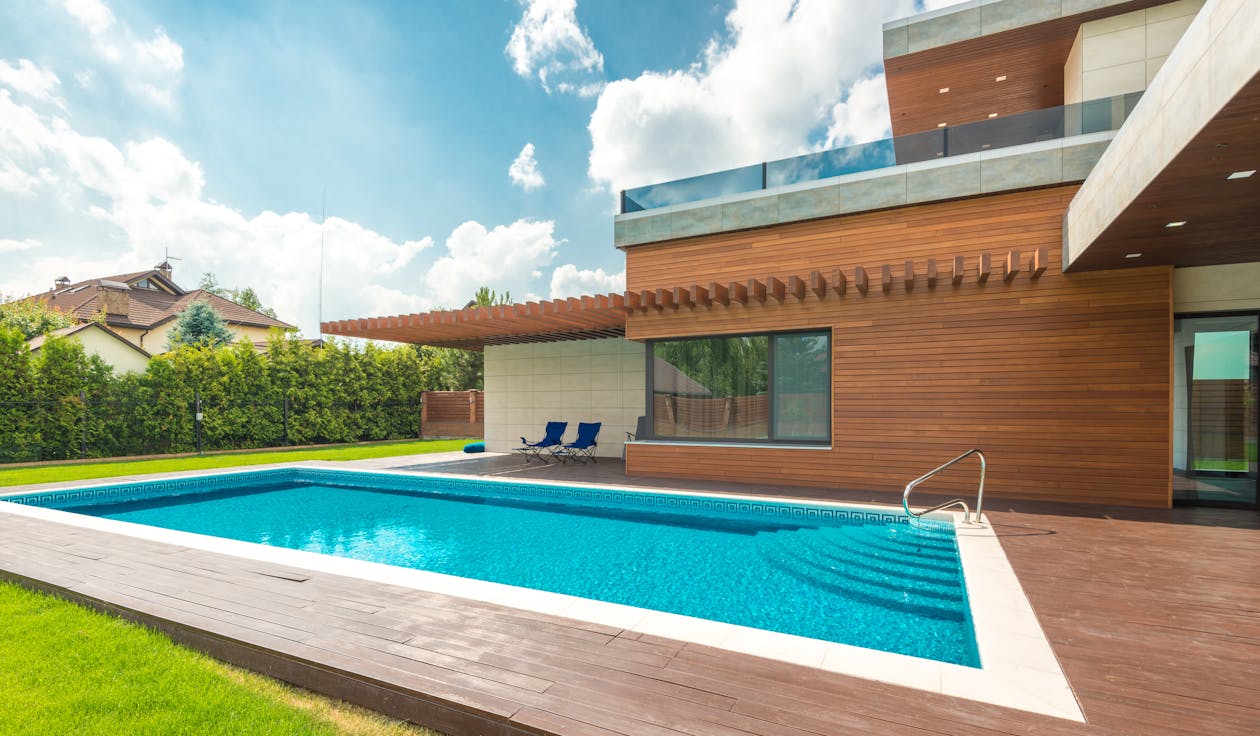
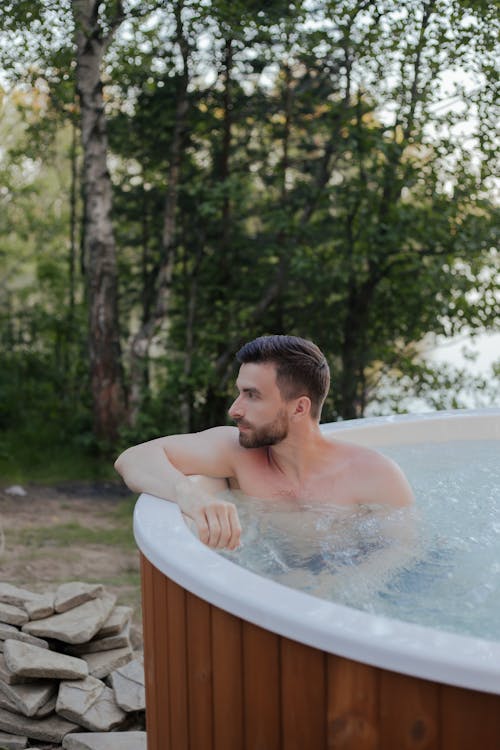
People treat their hot tub like a small pool. I hear it all the time. “It’s the same water, same chemicals, just less of everything.” That thinking will cost you a cloudy spa, a corroded heater, and a Saturday afternoon you’ll never get back.
I’ve been servicing pools and hot tubs across East Honolulu since 2000. Twenty-six years of testing water, replacing burned-out equipment, and explaining to homeowners why their spa went from crystal clear to green overnight. The chemistry between a pool and a hot tub is not a matter of scale. It’s a fundamentally different system with different rules. If you own both, or if you’re adding a spa to your backyard, understanding these differences will save you real money.
This is one of the topics I cover in my complete hot tub maintenance guide for Hawaii, but the chemistry side deserves its own deep dive.
Volume Changes Everything
Your pool holds somewhere between 10,000 and 20,000 gallons. Your hot tub holds 300 to 500. That ratio matters more than most people realize.
When you add a cup of muriatic acid to a 15,000-gallon pool, the effect is gradual. The water absorbs it across a huge volume. pH shifts slowly. You have time to retest, adjust, and dial it in. That same cup of acid in a 400-gallon spa would be a disaster. The concentration is roughly 37 times higher relative to volume. Everything you add to a hot tub has an outsized impact because there’s so little water to absorb it.
This works in reverse, too. Three adults climb into your pool and the bather load barely moves the needle. Three adults in a hot tub just introduced a massive concentration of body oils, sweat, dead skin cells, sunscreen, and hair products into a tiny volume of very hot water. The sanitizer demand spikes immediately. I’ve tested spa water before and after a 30-minute soak with three people. Free bromine dropped from 4 ppm to under 1 ppm. In a pool, that same group might drop chlorine by 0.5 ppm.
The practical takeaway: you need to dose chemicals with far more precision in a hot tub. Rounding up or eyeballing amounts that work fine in a pool will overshoot or undershoot in a spa every time.
Temperature Is the Multiplier
Pool water typically sits at 78 to 84 degrees. Hot tub water runs 98 to 104. That 20-degree difference accelerates every chemical reaction in the water.
Sanitizer consumption shoots up in hot water. Chlorine off-gasses faster at higher temperatures. The rate isn’t linear either. Each 10-degree increase roughly doubles the rate of chlorine dissipation. So your hot tub is burning through sanitizer at roughly four times the rate of your pool, just from temperature alone, before you even factor in the smaller volume and higher bather load.
pH drift becomes more aggressive too. Hot water holds less dissolved CO2 than cool water. As the spa heats up and jets aerate the surface, CO2 escapes. Losing CO2 pushes pH upward. This is why hot tubs almost always drift alkaline. Pool owners deal with pH drift too, but it happens slowly. In a hot tub, you can watch pH climb from 7.4 to 7.8 in a single day of heavy use.
Biofilm grows faster in warm water. Bacteria, algae, and organic slime that colonize pipes and jet fittings thrive in the 90 to 104 degree range. A pool’s cooler water naturally slows biofilm formation. A hot tub is essentially an incubator. Miss a few days of proper sanitizer levels and the biofilm colonies in your plumbing will bloom. Once established, they’re stubborn to remove.
Bromine vs. Chlorine: Why Spas Play by Different Rules
In pools, chlorine is the standard. Reliable, affordable, well-understood. In hot tubs, bromine is almost always the better choice. The reasons come directly from the temperature and volume differences above.
Chlorine breaks down rapidly above 98 degrees. It just can’t hold its concentration in hot water the way it does in a pool at 82 degrees. You’d need to dose far more frequently to maintain safe levels, and the chloramine byproducts (that harsh chemical smell and eye irritation) form much faster in concentrated, heated water.
Bromine stays stable across a wider temperature range. It doesn’t gas off as aggressively in heat, which means your residual sanitizer lasts longer between treatments. But the real advantage is reactivation. When chlorine reacts with organic contaminants, it forms chloramines. Chloramines are spent. Done. You have to shock them out and replace the chlorine. When bromine reacts with contaminants, it forms bromamines. Bromamines can be reactivated back into free bromine with a simple oxidizing shock like potassium monopersulfate. Your sanitizer essentially gets recycled.
In a pool, this distinction doesn’t matter much because the volume of water provides plenty of buffer. In a hot tub, where every ppm counts and chemicals deplete fast, reactivation is a real cost savings.
There are people who run chlorine in their spas. It works if you’re diligent. Use dichlor granules, never trichlor tablets. Trichlor is too acidic and dissolves too slowly for a small body of hot water. If you go the chlorine route, plan on testing and dosing after every single use. For more on how to test and interpret your results, see my guide on how to check your pool chemistry, keeping in mind that spa ranges differ from pool ranges.
pH and Alkalinity: Tighter Margins, Faster Swings
The target ranges look similar on paper. Pool pH: 7.2 to 7.8. Spa pH: 7.2 to 7.8. Pool alkalinity: 80 to 120 ppm. Spa alkalinity: 80 to 120 ppm. Same numbers, completely different experience managing them.
In a pool, alkalinity acts as a reliable buffer. It absorbs the shocks from rain, chemicals, and bather load and keeps pH from bouncing around. You might adjust alkalinity once a month. In a hot tub, the buffering capacity of 400 gallons is inherently limited. Alkalinity gets consumed faster. When it drops below 80 ppm, pH starts swinging wildly, sometimes multiple points in a single day.
Jets make this worse. Every time the jet pump kicks on and aerates the water, CO2 escapes. Losing CO2 raises pH. A hot tub with jets running three hours a day will drift alkaline significantly faster than one sitting still. Pool return jets move water too, but the aeration effect is proportionally tiny compared to the volume.
My approach: get alkalinity locked in at 90 to 100 ppm first. Don’t chase pH until alkalinity is stable. Once the buffer is right, pH adjustments become manageable. In a pool, you can get away with the reverse order. In a spa, alkalinity first is not optional.
Calcium Hardness: Hawaii’s Soft Water Problem
This catches transplants off guard. If you moved here from Arizona or Texas, you’re used to fighting high calcium hardness. Hawaii’s municipal water runs soft. Most areas in East Honolulu come out of the tap at 30 to 60 ppm calcium hardness. The target for a hot tub is 150 to 250 ppm.
Low calcium water is corrosive. It wants minerals, and it will pull them from anywhere it can: your heater element, your pump seals, your jet fittings, your plumbing. In a pool, low calcium degrades surfaces over months or years. In a hot tub, the higher temperature accelerates the corrosion. I’ve seen heater elements pit and fail within 18 months in spas filled with uncorrected soft water.
Every time you drain and refill your hot tub (which should be every three to four months), calcium hardness resets to tap water levels. You need to add calcium hardness increaser at every fill. This is a step pool owners in Hawaii are familiar with, but the urgency is higher in a spa because the corrosion happens faster in hot water with a smaller volume.
Too much calcium creates the opposite problem. Scale builds up on the heater element first because it’s the hottest surface in the system. Scale acts as insulation, forcing the heater to work harder and eventually causing it to overheat and fail. In pools, scale formation is a gradual process. In a hot tub, visible scale can form on a heater element in weeks if calcium is above 300 ppm.
Ozone and UV: Supplemental Systems That Change the Math
Many newer hot tubs come with ozone generators or UV-C sanitizers built in. These systems exist because maintaining adequate sanitizer in a hot tub is genuinely harder than in a pool, and manufacturers know it.
An ozone system injects O3 into the water, which oxidizes organic contaminants and reduces the amount of bromine or chlorine you need. In a pool, ozone supplementation is a luxury. In a hot tub, it can be the difference between stable water and a constant battle with clarity and odor.
UV-C works differently. Water passes through a chamber with a UV lamp that destroys bacteria and viruses on contact. It doesn’t leave a residual sanitizer in the water, so you still need bromine or chlorine. But it handles the microorganisms that your primary sanitizer might miss, especially in the plumbing where biofilm hides.
Neither system replaces chemical sanitizer. They reduce the workload on it. In a pool, the workload is already manageable at normal doses. In a hot tub, any reduction in that workload makes a noticeable difference in water stability.
If your spa has an ozone unit, check it every six months. Hold a cup under the ozone return jet. You should see a steady stream of fine bubbles. No bubbles means the unit has burned out, and you’ve been relying solely on your chemical sanitizer without knowing it.
Testing Frequency: Pool Habits Won’t Cut It
Pool owners test once or twice a week. That works because the large volume provides a buffer against rapid changes. You can go from Monday to Thursday without testing and the water probably hasn’t shifted dramatically.
Hot tub owners need to test two to three times per week minimum. After heavy use, test before the next soak. After parties or gatherings where the spa got heavy traffic, test immediately. In Hawaii, where year-round use means the spa never gets a break, consistent testing is what keeps you ahead of problems rather than reacting to them.
I recommend a good liquid test kit for weekly comprehensive tests (pH, alkalinity, sanitizer, calcium hardness) and test strips for quick checks between full tests. Strips aren’t as accurate, but they’ll catch a sanitizer crash or a major pH swing that needs attention.
The worst scenario I see is a homeowner who tests their pool religiously but checks the hot tub “when they remember to.” That spa is the one I get called to fix.
The Common Mistakes
After 26 years of spa service calls, the same mistakes keep showing up.
Using pool chemicals at pool doses. A capful of liquid chlorine that’s perfect for your pool will hammer a hot tub. Always calculate for the actual volume, and use spa-specific products when they’re available.
Skipping shock treatments. Pools can tolerate occasional missed shocks because the volume dilutes the buildup. A hot tub that doesn’t get shocked regularly develops bromamine or chloramine buildup that makes the water smell harsh and irritate skin. MPS (potassium monopersulfate) shock every one to two weeks keeps spa water fresh.
Ignoring TDS. Total dissolved solids climb fast in a hot tub because you’re adding chemicals to the same 400 gallons repeatedly. In a pool, rain dilution and water turnover keep TDS manageable. In a spa, once TDS exceeds 1,500 ppm above your starting fill level, the water stops responding to treatment the way it should. That’s when you drain and start fresh.
Not adjusting for bather load. Two people in the hot tub for 20 minutes is a light session. Six people after a barbecue is an entirely different chemical event. Pool owners rarely think about adjusting chemistry based on how many people swam. Hot tub owners have to.
Treating the spa cover as optional. A pool with no cover loses chlorine to UV and gains debris. Annoying, but manageable. A hot tub with no cover loses heat (running up your electric bill), loses sanitizer to UV breakdown and evaporation at a rate that’s hard to keep up with, and collects organic debris that overwhelms a tiny filter in hours.
When the Chemistry Gets Away from You
It happens. You go on vacation, the spa sitter forgets to check it, and you come home to murky water with a chemical smell. Here’s the reset process.
Test everything. If the numbers are wildly off, don’t try to dial them back incrementally. Drain the spa, flush the plumbing with a biofilm cleaner, refill with fresh water, and balance from zero. In a pool, you’d never drain 15,000 gallons over a bad chemistry reading. In a hot tub, draining 400 gallons takes 20 minutes and costs pennies. Fresh water is the spa owner’s cheat code.
If you’re in East Honolulu and your hot tub chemistry has gotten beyond what you can manage, our hot tub and spa service includes water testing, chemical balancing, and full drain-and-refill service. We also handle pool chemical service if you want both your pool and spa on the same maintenance schedule.
The Bottom Line
Hot tub chemistry is faster, less forgiving, and more demanding than pool chemistry. The same principles apply: sanitizer, pH, alkalinity, calcium. But the margins are tighter, the reactions are quicker, and the consequences of neglect show up in days instead of weeks.
Respect the differences. Test more often. Dose more carefully. Drain when the water tells you to. And don’t assume that being good with your pool means you’ve got the spa figured out. They’re different animals, and treating them the same is the most expensive mistake you can make.